Sector Information
Manufacturing support for the Engineering industry.
This page explains how component requirements, materials, quality priorities, inspection methods, and production planning are handled for engineering customers.
Industry Requirements and Applications
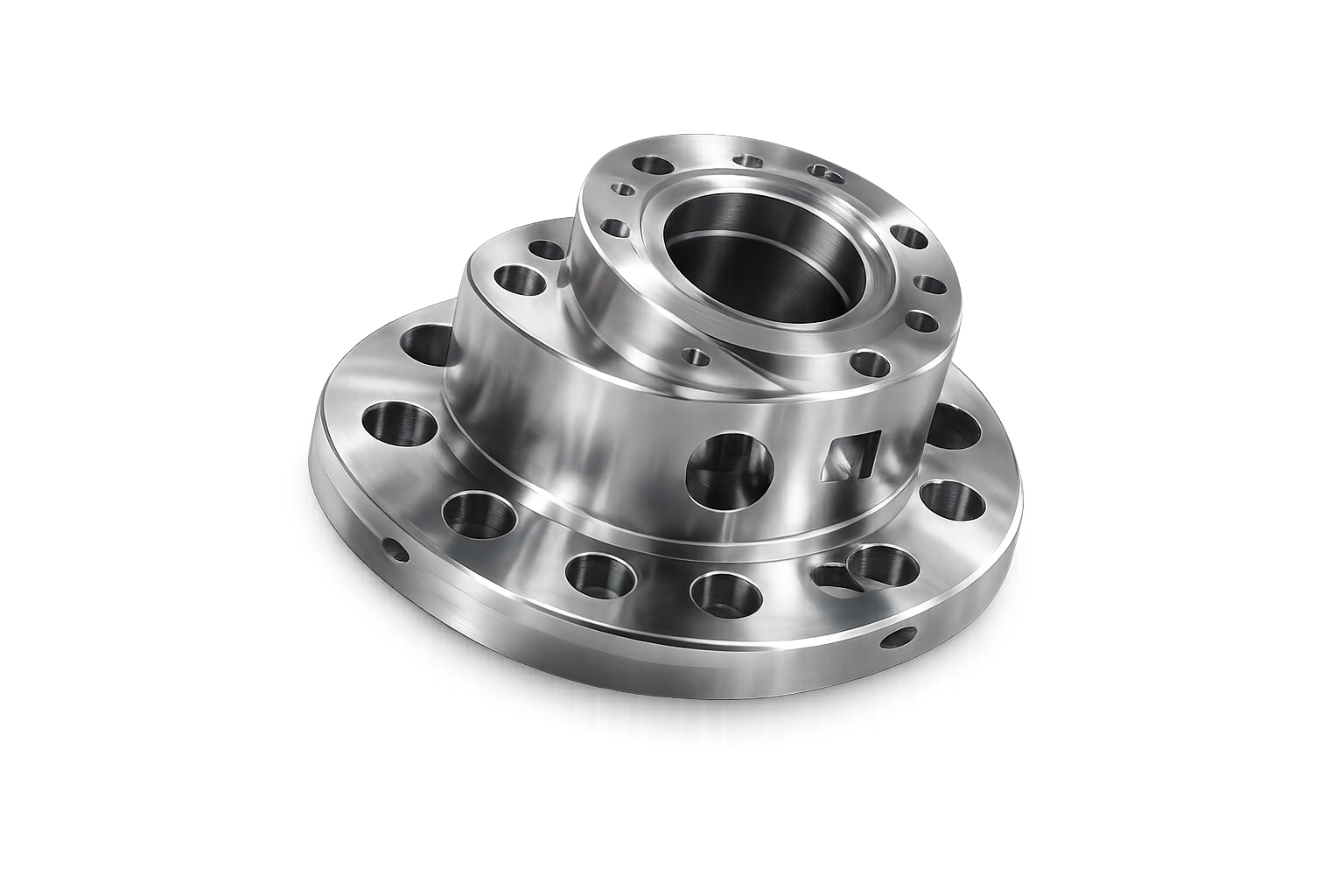
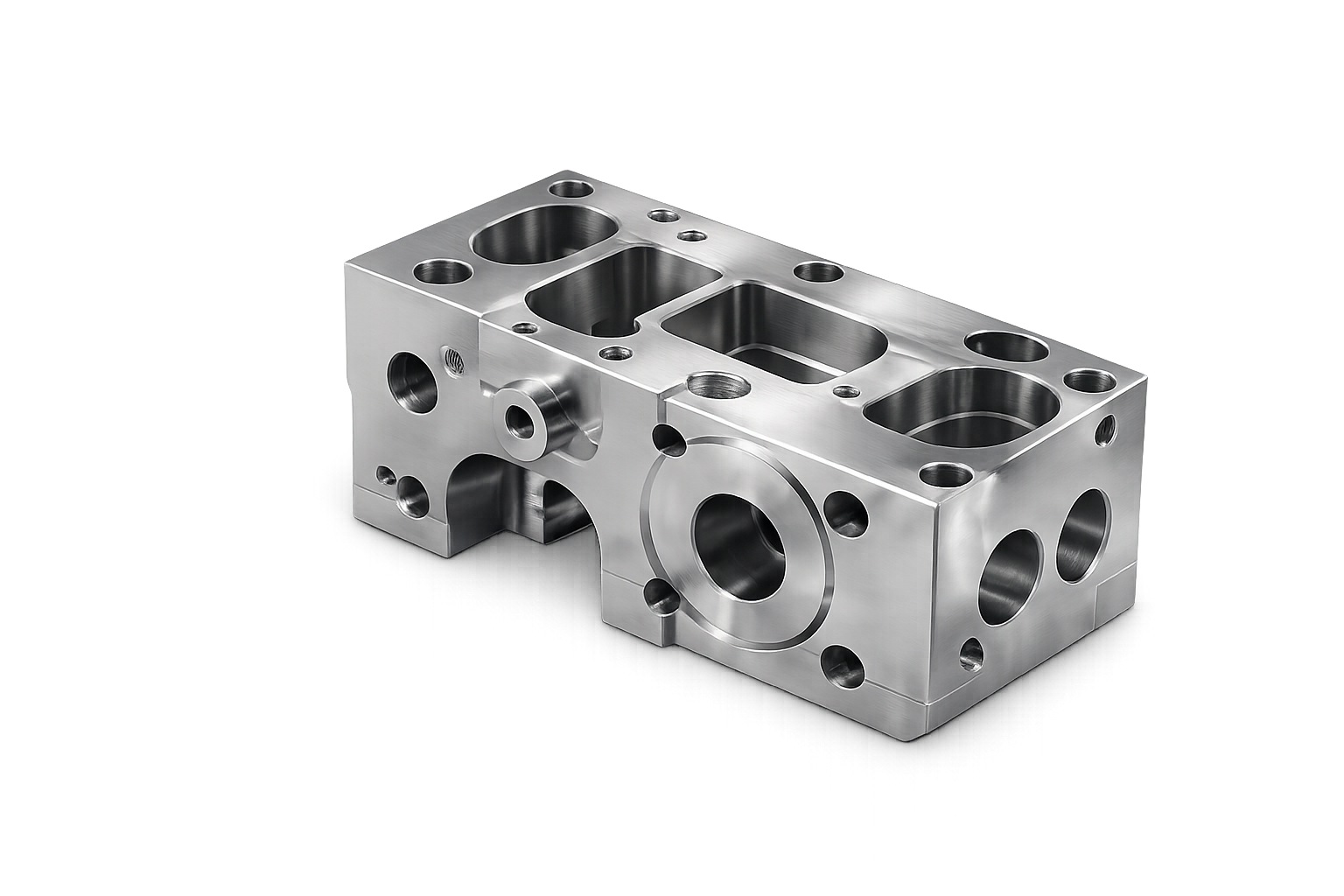
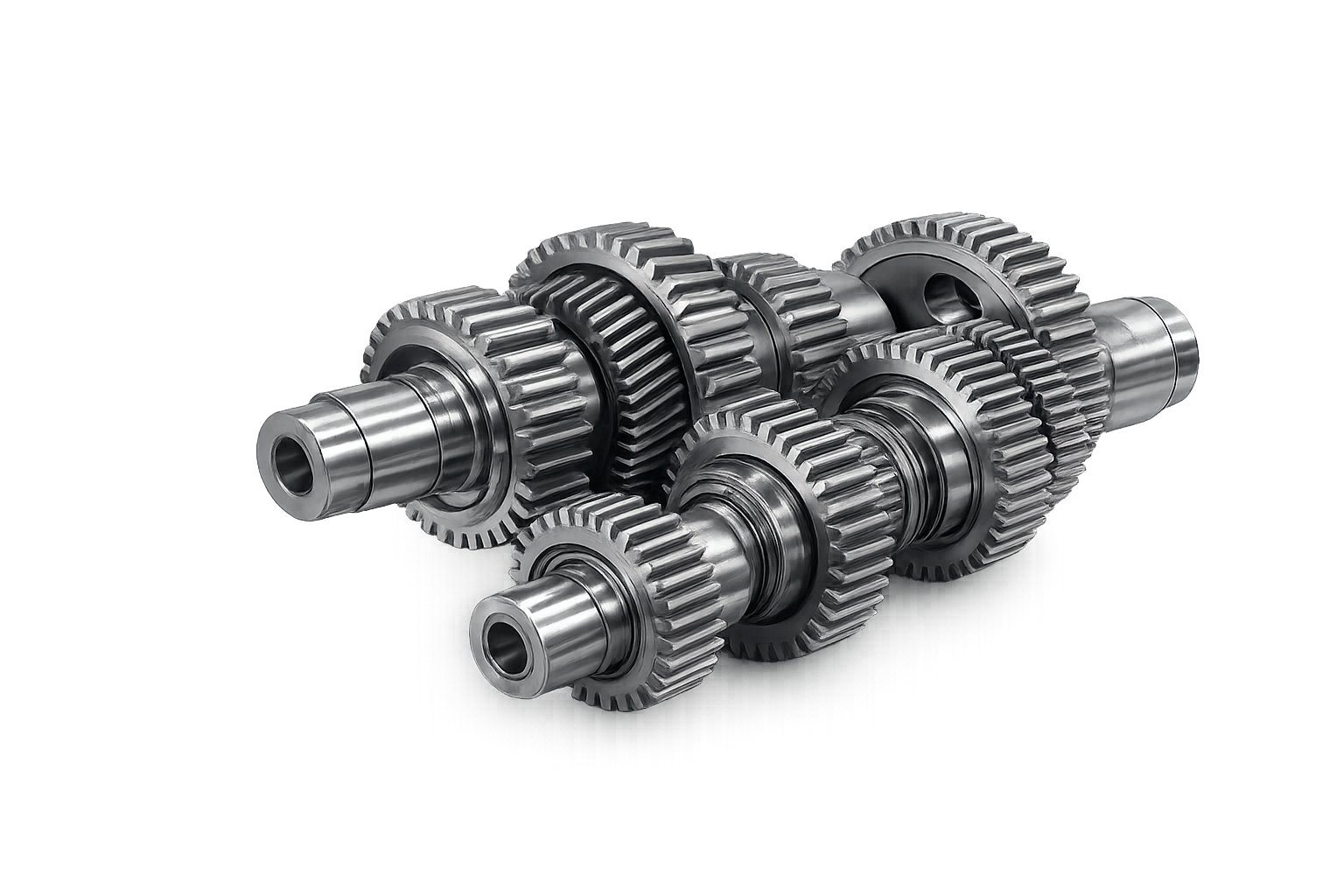
Engineering companies need practical manufacturing partners who can understand drawings, convert requirements into workable process plans, and deliver parts that support machinery, tools, structures, and production systems. Typical requirements include machine parts, housings, plates, bushes, blocks, shafts, tooling support items, frames, brackets, flanges, fixtures, and custom engineered components. Components are evaluated from the customer drawing, approved sample, quantity, and end-use information so the manufacturing route reflects the actual fitment and operating requirement.
Materials and Manufacturing Support
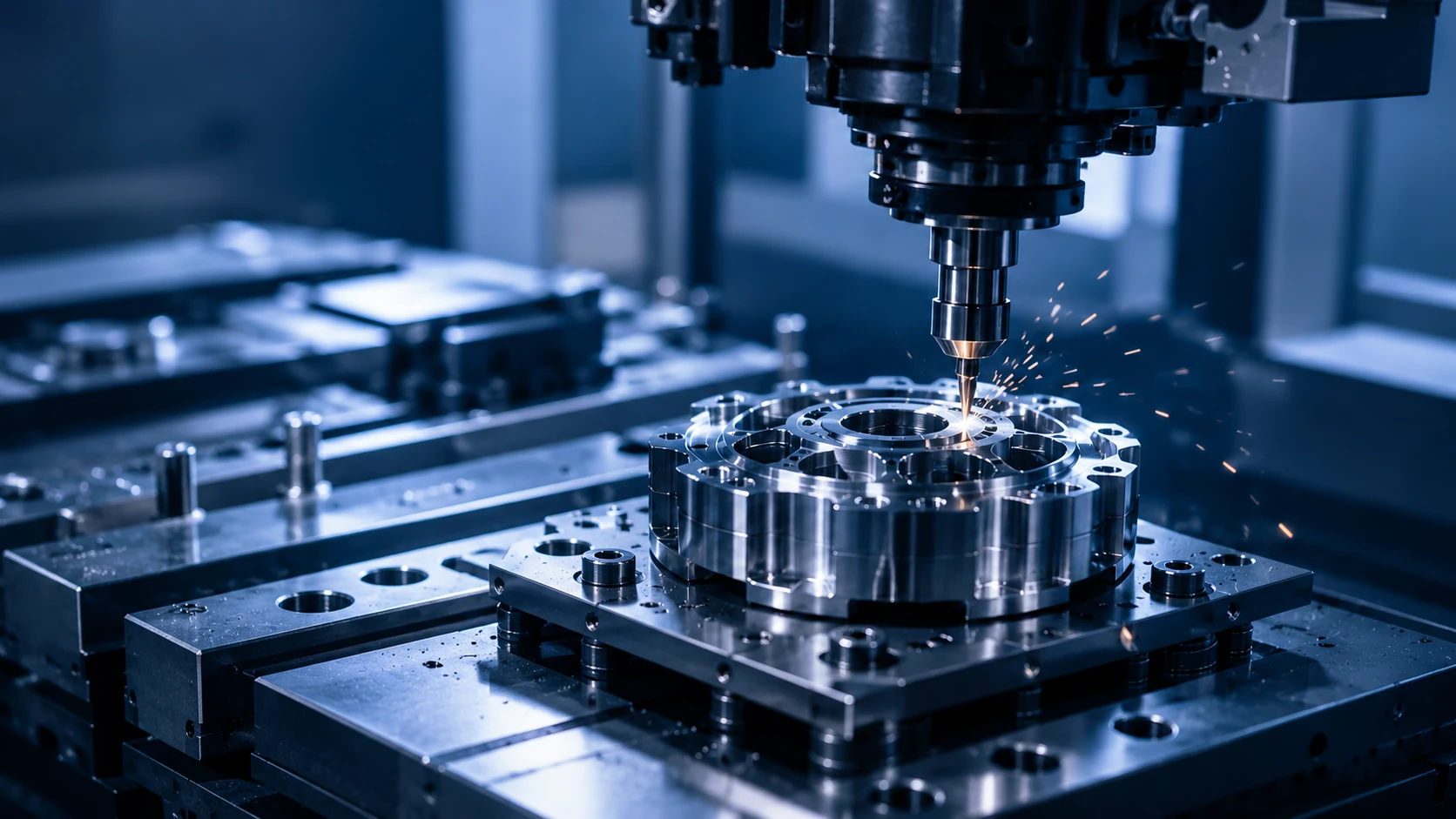
Material requirements may include ferrous and non-ferrous metals including mild steel, EN grades, stainless steel, aluminium, brass, bronze, and customer-specified raw material grades. Depending on the approved specification, the production route can combine CNC turning, VMC machining, drilling, tapping, sheet-metal work, fabrication, assembly, heat-treatment coordination, surface finishing, and final inspection. Only the processes applicable to the drawing and agreed scope are included in the order.
Quality, Planning, and Enquiry Details
Important priorities include drawing clarity, machining sequence, tolerance control, repeatable setup methods, sturdy fabrication, assembly fitment, and practical inspection records. Planning also considers varied job sizes, changing project requirements, multi-operation components, prototype-to-production movement, and coordination between design teams and shop-floor realities. For a correct feasibility review and quotation, customers should provide the latest drawing revision, material grade, quantity, tolerances, finish, inspection or documentation requirements, and expected delivery schedule. This supports a dependable bridge between engineering intent and finished components that are ready for assembly, testing, maintenance, or project installation.