
Sector Information
Manufacturing support for the Aerospace industry.
This page explains how component requirements, materials, quality priorities, inspection methods, and production planning are handled for aerospace customers.
Industry Requirements and Applications
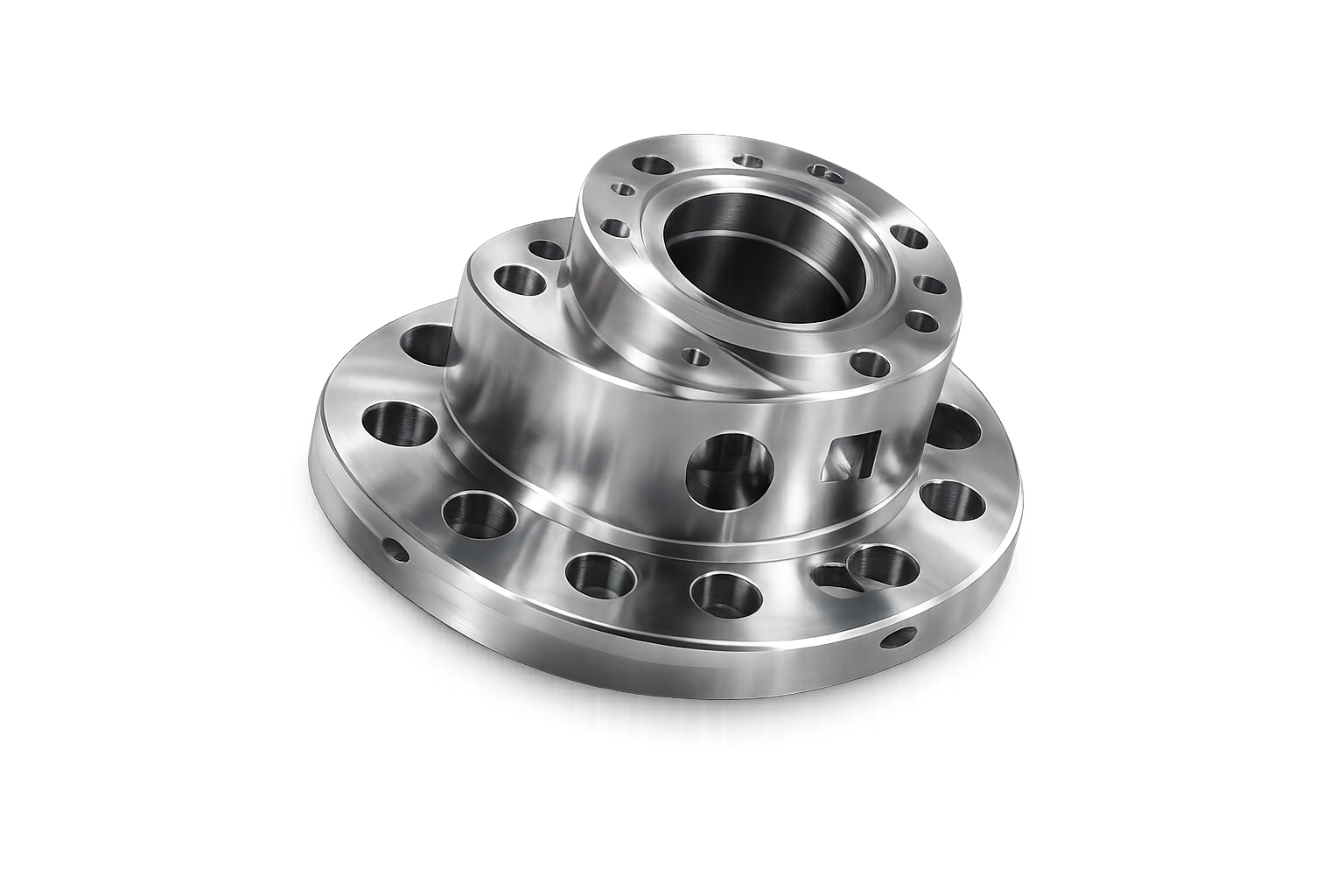
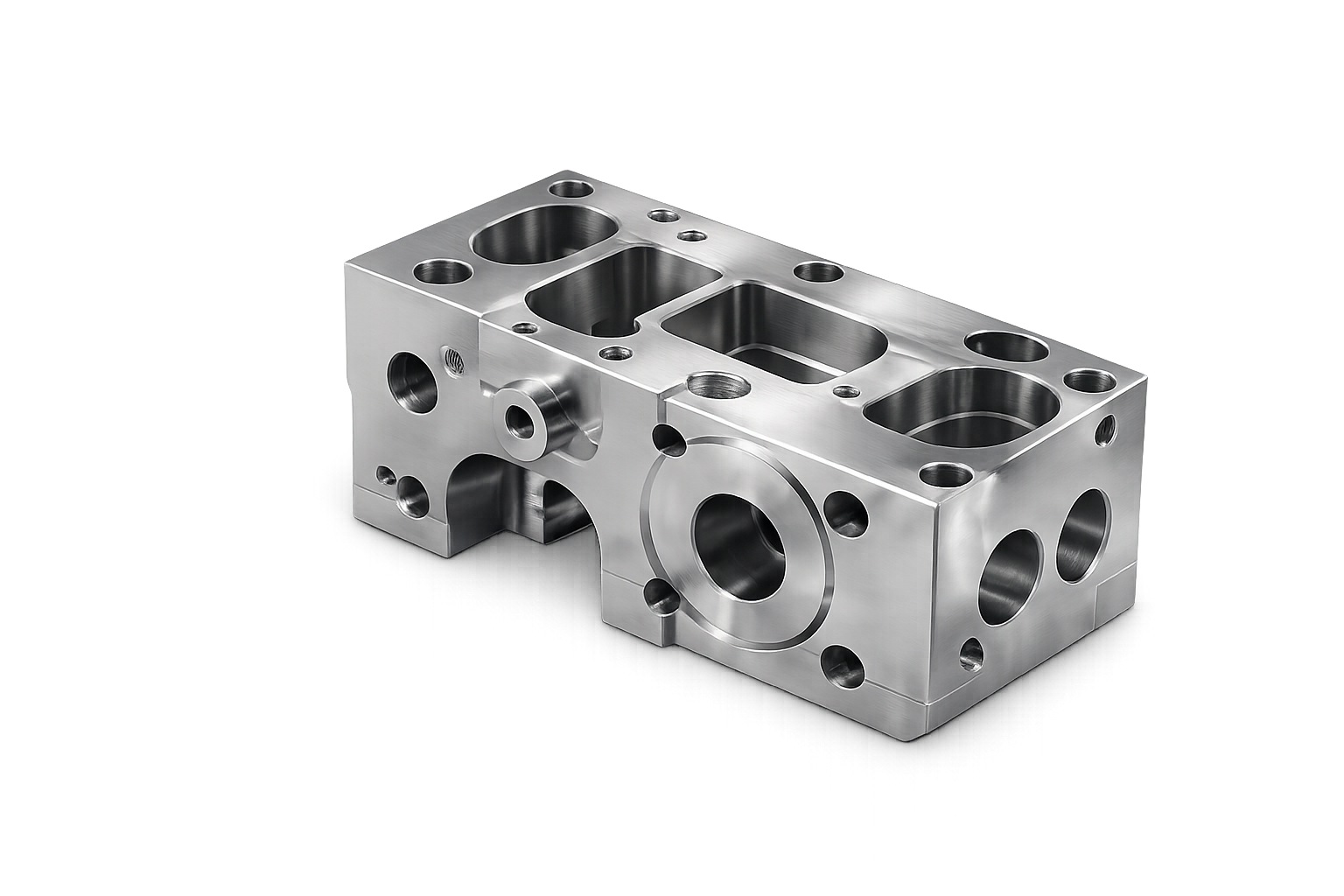
Aerospace-related work places strong emphasis on accuracy, controlled processes, careful handling, and clear communication because every component must respect design intent and application sensitivity. Typical requirements include precision brackets, machined plates, spacers, sleeves, tooling support parts, fixture components, prototype items, lightweight assemblies, and drawing-based custom components. Components are evaluated from the customer drawing, approved sample, quantity, and end-use information so the manufacturing route reflects the actual fitment and operating requirement.
Materials and Manufacturing Support
Material requirements may include aluminium, stainless steel, alloy steel, engineering plastics where applicable, and customer-approved grades that match weight, strength, and dimensional requirements. Depending on the approved specification, the production route can combine CNC turning, VMC machining, drilling, tapping, sheet-metal work, fabrication, assembly, heat-treatment coordination, surface finishing, and final inspection. Only the processes applicable to the drawing and agreed scope are included in the order.
Quality, Planning, and Enquiry Details
Important priorities include precision, clean finishing, controlled machining, burr control, repeatable inspection, drawing discipline, careful packaging, and stable batch quality. Planning also considers tight tolerances, lightweight geometries, documentation expectations, small batch development, surface sensitivity, and the importance of avoiding assumptions during manufacturing. For a correct feasibility review and quotation, customers should provide the latest drawing revision, material grade, quantity, tolerances, finish, inspection or documentation requirements, and expected delivery schedule. This supports disciplined manufacturing support for teams that need precise parts, careful process control, and clear production communication.